Shelby truck owners shop tires by size because size is printed biggest on the sidewall. The letters and numbers around it matter more. A truck tire's load range, its LT or P-metric designation, and the pressure it is actually running decide whether a loaded bed or a hooked trailer is a routine trip or a sidewall working past its design.
This checklist runs the checks in order, the way they should happen before a working truck in Cleveland County carries weight. Each line has a pass and a fail, and the fails are all fixable at purchase time or with a gauge. What they are not fixable with is optimism at the boat ramp.
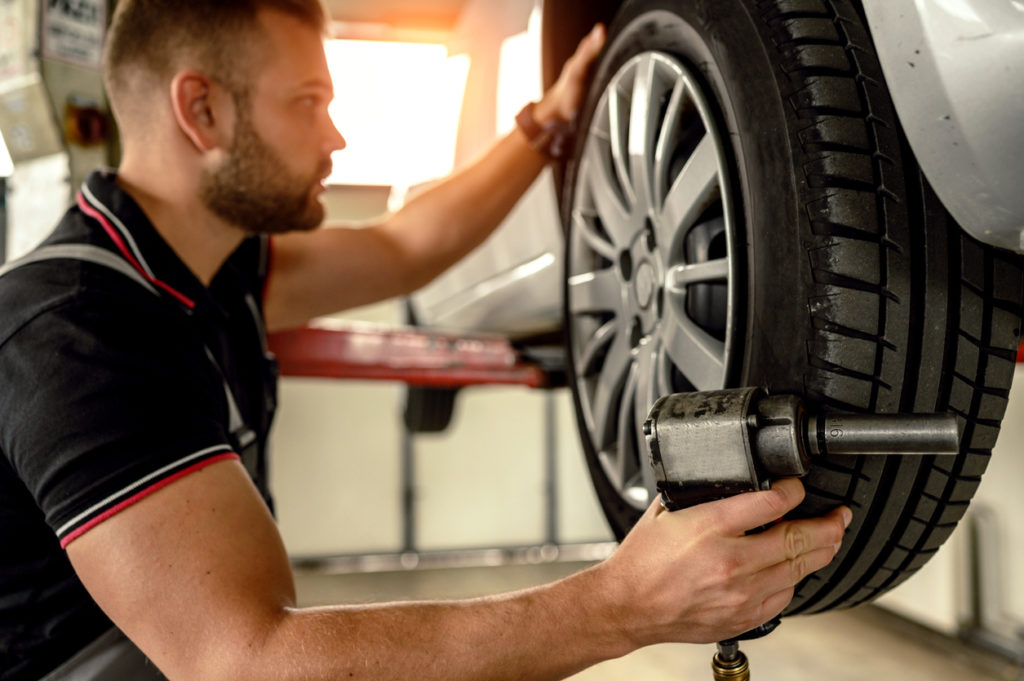
Start with the designation
Read the size string on the sidewall and find the prefix. A P means a passenger tire: built for ride and light duty, and derated when fitted to a truck application. An LT means a light-truck tire, and it will carry a load range letter, most often C, D, or E, with E the common choice for heavy half-ton and three-quarter-ton work. The old ply-rating language maps onto those letters, so 10-ply rated and load range E describe the same class.
Fail is simple: a truck that regularly tows near its rating or hauls at bed capacity on P-metric tires. That combination works until heat and load find it on a summer highway. A commuting truck with an empty bed passes on P-metric tires easily, which is why the checklist starts with honest use, not with the tire. Shops like Ruano's Tire Shop see both kinds of trucks daily, and the sidewall reading takes under a minute.
Load-ready checklist, in order
- Read the prefix: pass on LT for regular towing or hauling; fail on P-metric under a working load.
- Read the load range letter: pass when it matches the truck class; fail when a heavy truck rides on a light rating.
- Add the real axle load, tongue weight included: pass when it sits comfortably under tire capacity; fail when the numbers crowd the limit.
- Set pressure from the load, not from habit: pass at the load-table figure for loaded days; fail on soft commuting pressure under a trailer.
- Inspect sidewalls for cuts and bulges: any bulge fails the tire for towing, no exceptions for one more trip.
- Quarter-test the tread: pass with the head covered; fail toward replacement when the top of the head shows.
- Check the spare and the trailer tires: pass when both hold correct pressure and are within a sensible age.
Do the load arithmetic
Add up what the rear axle actually carries on your heaviest normal day: the truck's own rear weight, passengers, bed load, and trailer tongue weight, which commonly runs around a tenth or more of the trailer's total weight. Compare that figure against what the tires on that axle can carry at the pressure you run, which is printed in load tables the shop can show you. Guessing is how a setup that feels fine in town overheats at highway speed.
Pressure is where the arithmetic gets real. LT tires make their rated capacity at higher pressures, so an LT tire aired to a soft commuting figure is not delivering its sidewall promise. When a load goes on, pressures go up to the figure the load table calls for, within the wheel and tire limits. When the truck goes back to commuting, they can come back down. That seasonal, load-based adjusting is normal truck practice, not fussiness.
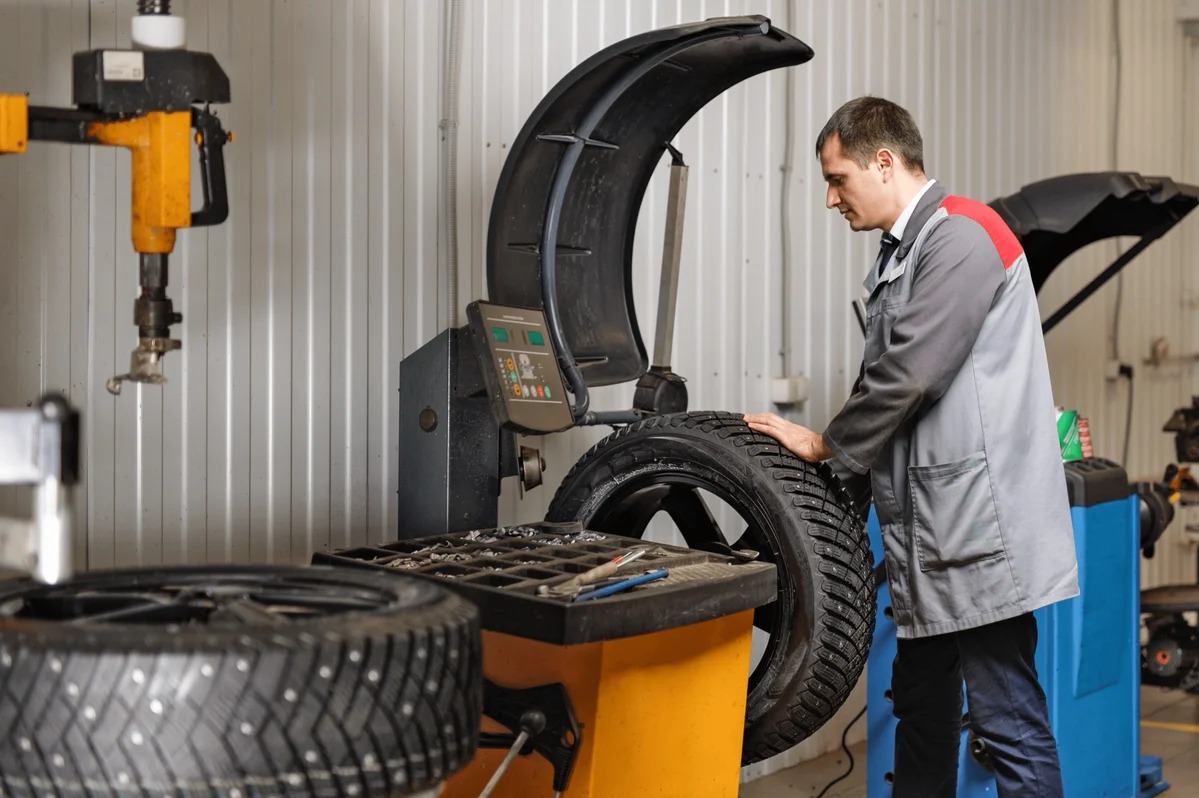
Inspect like the load depends on it
Sidewalls take the punishment on working trucks: gravel drives, job-site debris, curb strikes while parking a trailer. Cuts, bulges, and deep scuffs are load failures waiting for a hot day, and any of them fails the tire for towing duty even if it still holds air for errands. Tread matters the same way; a loaded truck stopping on wet pavement needs depth, and the quarter test flags a tire at about 4/32 of an inch, where wet grip is already fading.
Finish with the forgotten items: the spare, checked for pressure and age, and the trailer tires, which age out sitting in the sun and fail more often than truck tires do. A checklist that stops at the four tires on the truck misses the two most common roadside stories in towing season. Five minutes with a gauge and a flashlight covers the whole rig, and it is the cheapest part of owning a truck that works.
Common questions
What load range does a typical half-ton need for towing?
Load range E is the common answer for serious half-ton towing, but axle weight and tongue weight decide it. Bring the trailer figures and let the shop run the load table.
Can I air LT tires down for a better ride when empty?
Within reason, yes, and many owners do. The line is the load: pressures must go back up to the load-table figure before weight goes on the truck.
My P-metric tires have towed fine for years. Why change?
Light or occasional towing is what they were fitted for. The checklist matters when loads grow, trips lengthen, or summer heat stacks on top of both.
Photos in this guide are representative stock images.
← All guides from Ruano's Tire Shop← Back to Ruano's Tire Shop